
Editing, Leadership, and Team Building
The most valuable part of my involvement in student media is learning to lead. It’s a lot of responsibility to edit a yearbook. But the most important thing I strive to get better at every day is leading my classmates with humanity. I try to build not only their skill but their strength, confidence, and excitement in their work.
Team Building
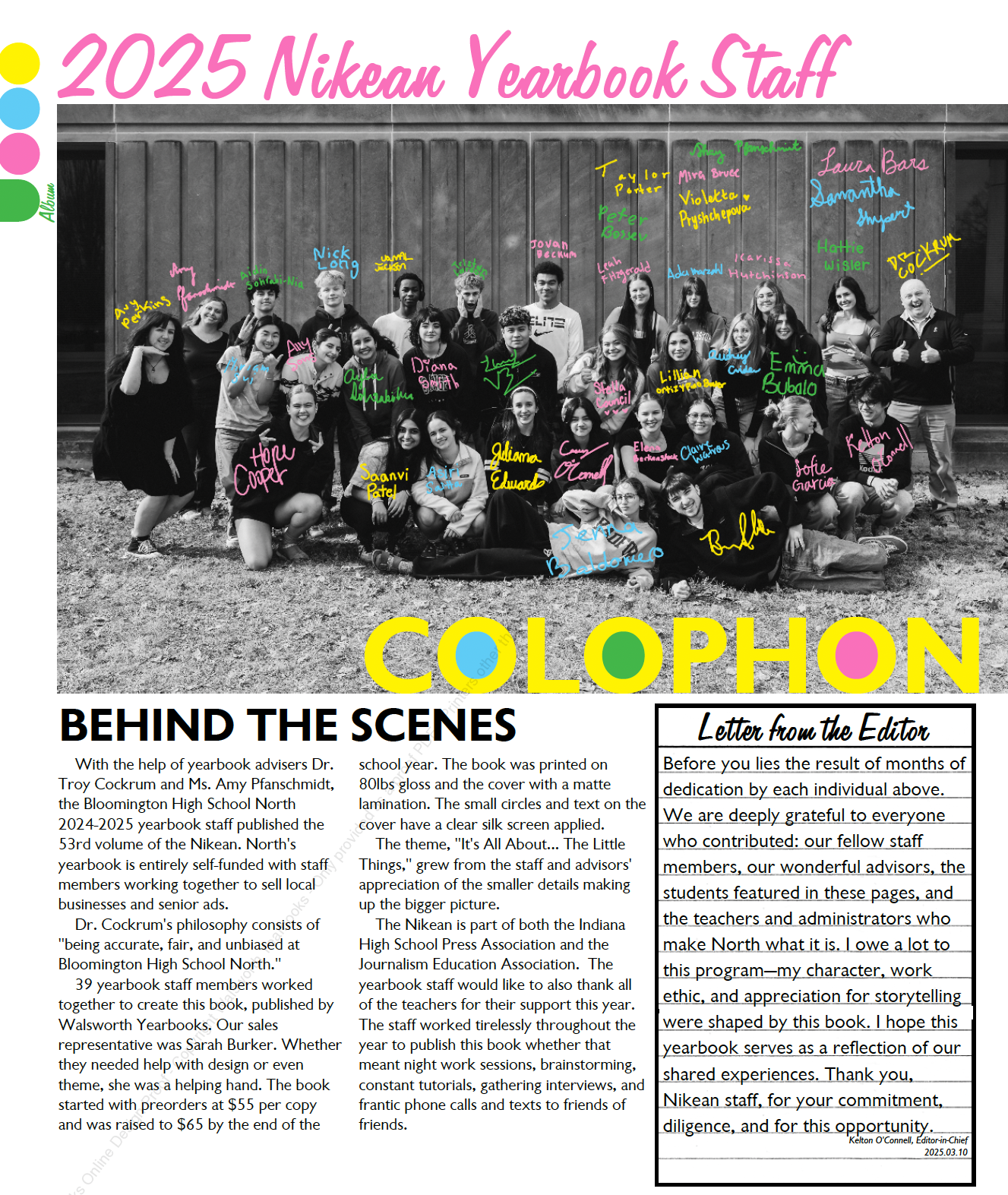
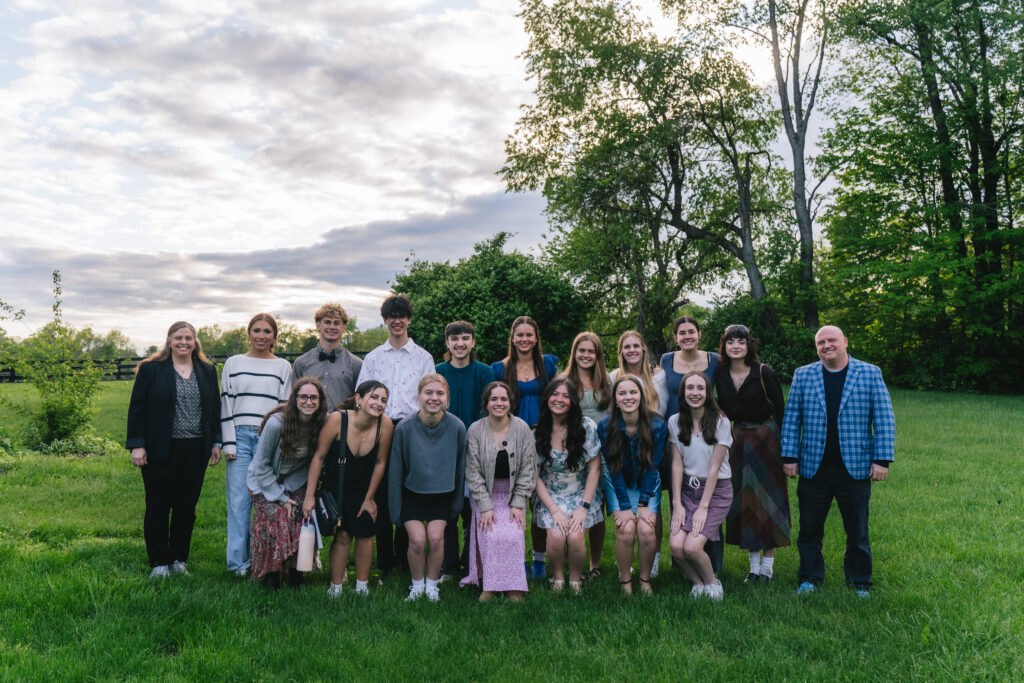
Building a strong and positive staff culture is probably the hardest aspect of leadership. It requires strategy, experimentation, and a lot of patience. Each of the three years I’ve served as yearbook editor, I’ve observed an improvement in the staff’s overall engagement and investment in the program. I think the little things I’ve implemented have, over time, added up. A year or two ago, yearbook felt difficult and sometimes impossible. Today, while I still feel stress and face challenges, I walk out of the class at the end of the period feeling so full of joy, simply because I feel as though my staff members care about this project as much as I do.
Leadership Testimony
Excerpts from Letters of Recommendation
“Kelton leads with both vision and humility. He understands that great journalism is collaborative, and he works to support and challenge his staff to do their best work. …
“He is thoughtful, fair, and deeply respectful of others’ perspectives.”
“Kelton [continues] to elevate student voice and mentor others to do the same, helping foster a culture of informed, respectful engagement. …
“In my more than 30 years in education, he stands among the very best students I have seen at informing the public and navigating complex topics with clarity and fairness.”
—Troy Cockrum, Student Media Adviser, Bloomington High School North
—Matthew Stark, Principal, Bloomington High School North
Training
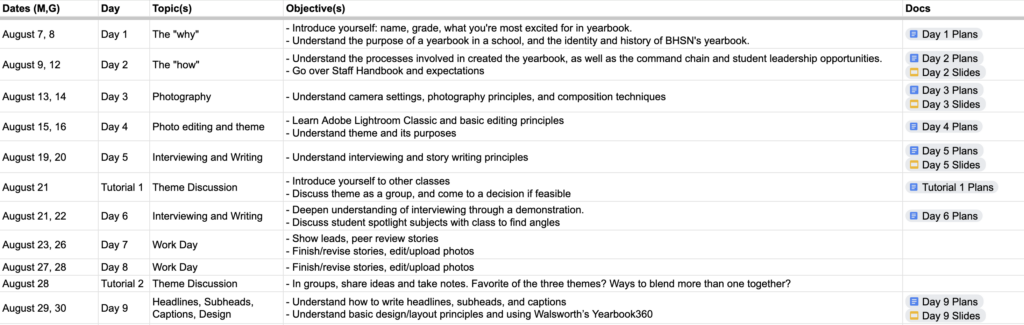
At the start of my junior year, I spent the first month of school teaching three different periods of yearbook important journalism and yearbook concepts: ideation, interviewing, writing, photography, and design.
I came up with this scavenger hunt worksheet activity for the first day of school. Students got to work in groups or alone, and I handed out yearbooks from our collection of yearbooks from other schools. (Students new to BHSN were given our book from previous years, allowing them to get to know our school.)
After each student or group finished, they took turns sharing something they liked and something they didn’t like about their book with the rest of the class.
This activity allowed students to immediately begin thinking about what might go into a yearbook. Before any instruction, they were able to form ideas about how they might go about doing the creative work, and they were exposed to elements of a yearbook.
At the start of each school year, it’s a race against some kind of proverbial clock to begin covering events as soon as possible, while also ensuring the staff gets adequately trained.
After a couple days overviewing the general process of creating a yearbook, we started photography training, so that we could begin covering events. I taught all the basic photographic concepts: composition, camera settings, storytelling, etc. Then in groups, students went around the school to take photographs according to this worksheet.
It’s a coincidence that these two samples are both called “scavenger hunts”—I promise my teaching abilities are not that narrow!
This lesson was the first on journalistic interviewing and writing. The slides shown here supplemented a detailed lesson on the process for writing a yearbook story: fact gathering, finding an angle, and the writing process.
We also went over interview techniques: writing questions, listening and engaging in the conversation, and follow-up questions.
After the lesson, students were given an assignment to write a feature on a North student. I asked them to find someone they didn’t know very well. This assignment helped the students who were new to journalism get their feet wet producing a tangible piece of journalistic work.
Copy Editing
I think many members of our staff find writing to be the most challenging aspect of producing a yearbook. When I receive copy for editing, I strive to provide easily actionable feedback that affirms that students are on the right track.
I provide feedback through Google Docs comments. Some examples are in the PDF files below. After I edit the story, I’ll sit down with the journalist to ask them any questions I might have about their piece, before explaining what I meant by each comment. This dialogue drives collaborative editing.